"Agile vs Waterfall vs Scrum" is a slightly misleading comparison, because they aren't three options on the same level. Waterfall and Agile are two opposing philosophies of how to run a project. Scrum is a specific framework for doing Agile. Understanding that relationship is the first step to choosing well — so let's clear it up, then help you decide.
Clearing Up the Confusion
| Term | What it is |
|---|---|
| Waterfall | A sequential methodology — finish each phase before the next |
| Agile | A philosophy of iterative, incremental delivery and adaptation |
| Scrum | The most popular framework for implementing Agile |
So the real choice is Waterfall vs Agile as an approach — and if you pick Agile, which framework (Scrum, Kanban, etc.) you use to run it.
Waterfall
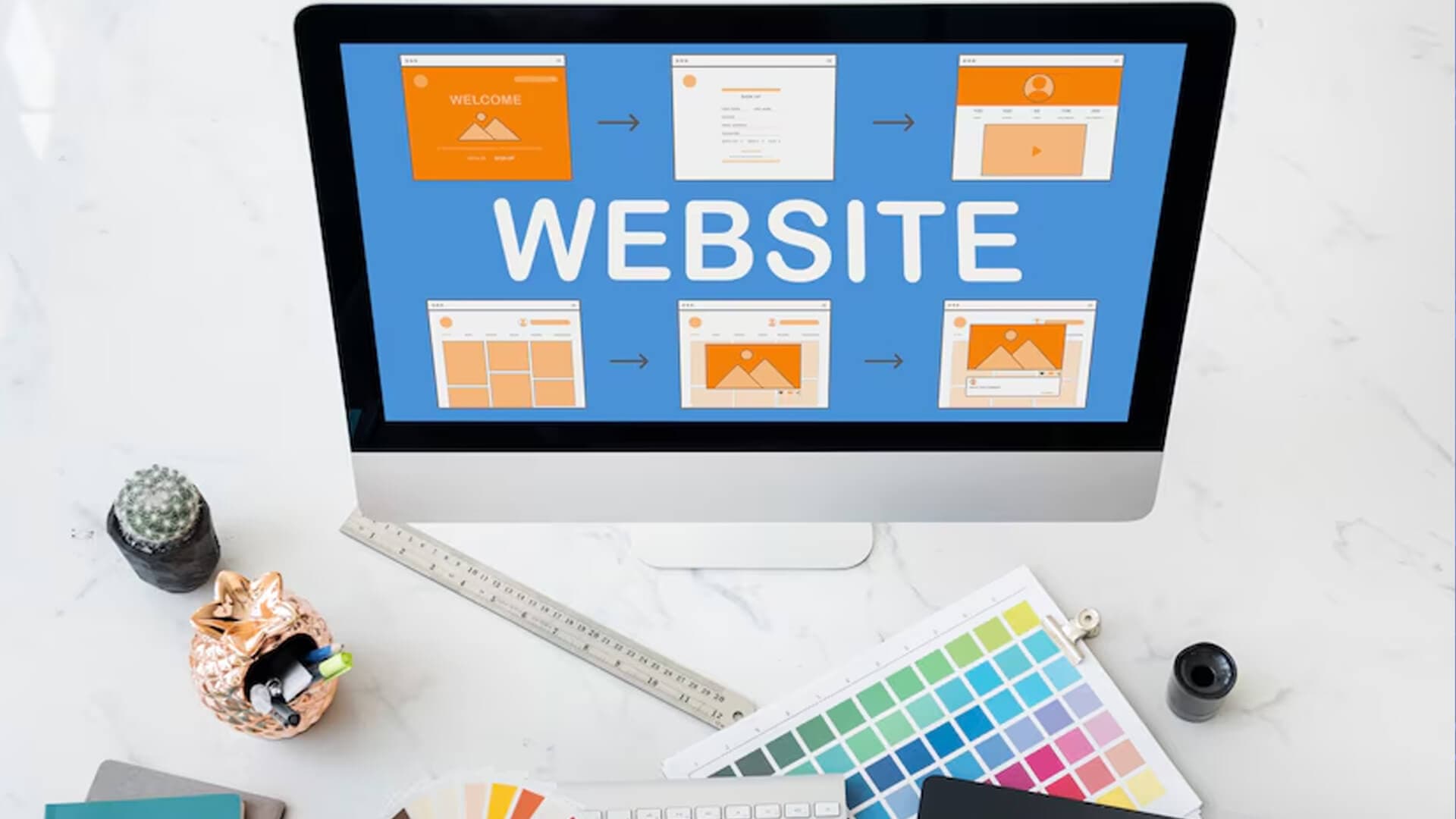
Waterfall runs a project as a linear sequence of phases: requirements → design → development → testing → deployment → maintenance. Each phase completes before the next begins, and everything is planned up front.
Strengths: predictable scope, timeline, and budget; thorough documentation; clear milestones. It works when requirements are well-understood and unlikely to change.
Weaknesses: inflexible to change, late feedback (you don't see working software until late), and high risk if the initial requirements were wrong.
Best for: projects with fixed, well-defined requirements — regulated systems, hardware-coupled software, fixed-scope government contracts.
Agile
Agile flips Waterfall's assumptions. Instead of planning everything up front, you deliver working software in short iterations, gather feedback, and adapt. The Agile Manifesto prizes working software, customer collaboration, and responding to change over rigid plans and documentation.
Strengths: fast feedback, flexibility to change direction, early and continuous delivery of value, and lower risk of building the wrong thing.
Weaknesses: less predictable final scope/cost, requires engaged stakeholders, and can drift without discipline.
Best for: most modern software — products, startups, MVPs, and anything where requirements will evolve.
Scrum
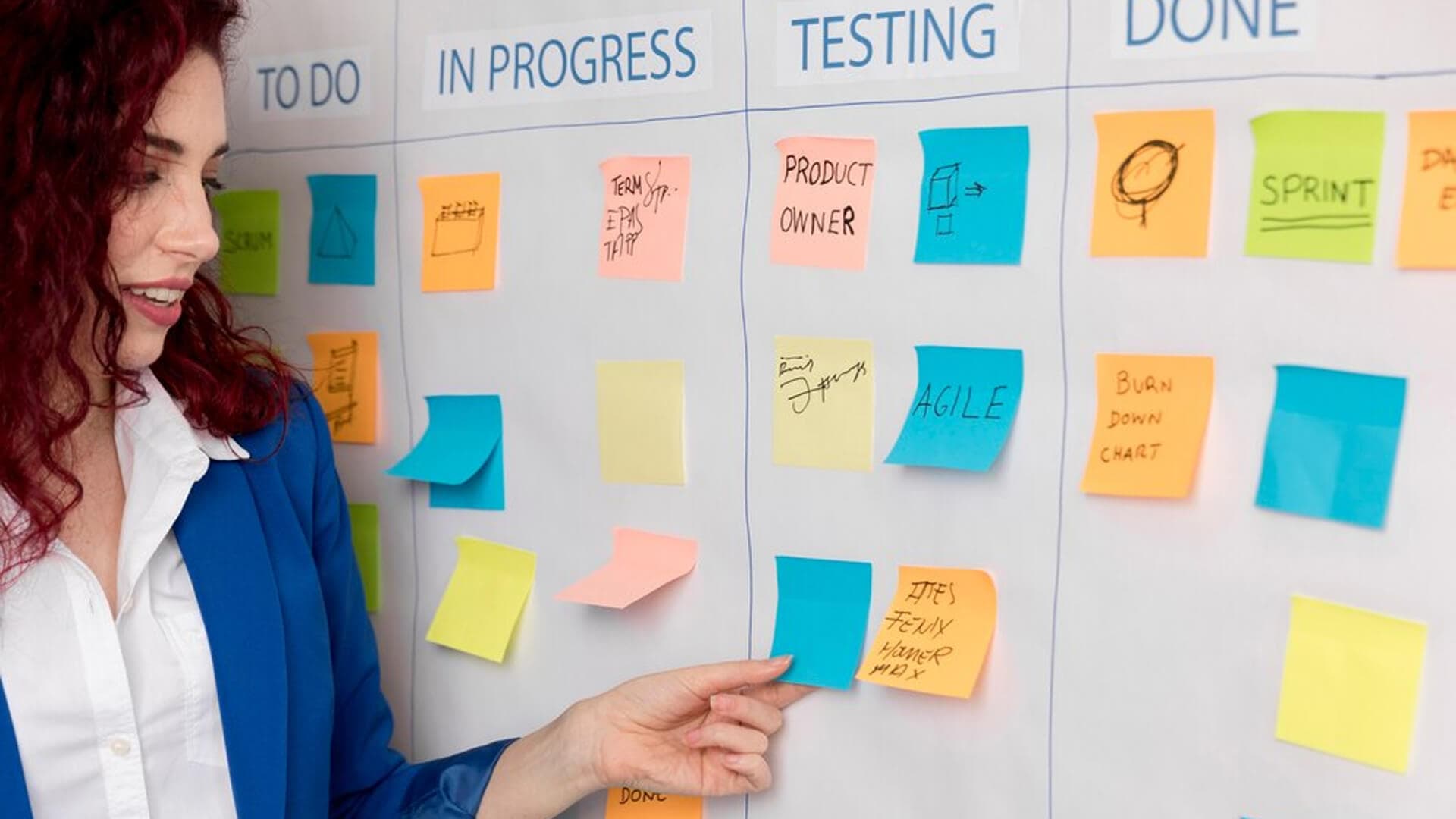
Scrum is the most widely used Agile framework. It organizes work into fixed-length sprints (usually 1–4 weeks), each producing a potentially shippable increment.
Key elements:
- Roles: Product Owner (owns the backlog/priorities), Scrum Master (facilitates the process), Development Team.
- Events: Sprint Planning, Daily Standup, Sprint Review, Sprint Retrospective.
- Artifacts: Product Backlog, Sprint Backlog, the Increment.
Strengths: clear cadence and roles, regular delivery, built-in continuous improvement (retrospectives).
Weaknesses: ceremony overhead if applied dogmatically; needs a committed team and a strong Product Owner.
Best for: feature-driven product development with a stable team.
A note on Kanban: the other popular Agile framework, Kanban, uses a continuous flow with work-in-progress limits instead of fixed sprints. It's great for support, ops, and steady streams of work where priorities shift frequently.
Side-by-Side
| Aspect | Waterfall | Agile (Scrum) |
|---|---|---|
| Approach | Sequential | Iterative |
| Flexibility | Low | High |
| Feedback | Late (after build) | Continuous |
| Documentation | Heavy, up front | Lightweight, ongoing |
| Scope/budget predictability | High | Lower (but adaptive) |
| Risk profile | High if requirements wrong | Lower; fail fast and adjust |
| Best for | Fixed requirements | Evolving requirements |
How to Choose
Ask these questions:
- Are requirements fixed and well-understood? → Waterfall can work.
- Will requirements evolve as you learn? → Agile.
- Do you need a predictable fixed price/scope contract? → Waterfall, or Agile with a fixed-scope MVP phase.
- Are you building a product and want to ship early and iterate? → Agile with Scrum (or Kanban for flow-based work).
- Is your team small and the work fast-moving? → Agile, often Kanban.
The Hybrid Reality
In practice, many teams blend approaches. A common pattern: use a Waterfall-style fixed-scope phase to plan and price an 8-week MVP, then switch to Agile/Scrum for iterative development once real user feedback starts flowing. The methodology should serve the project, not the other way around.
How Innoworks Works
At Innoworks, we run most engagements with Agile and Scrum — short sprints, working demos every week, and continuous feedback — while offering fixed-scope, fixed-price phases when clients need budget certainty (like our 8-week MVPs). It's how we've delivered 70+ products with a 98% client satisfaction rate. See how we work or talk to our team about the right approach for your project.