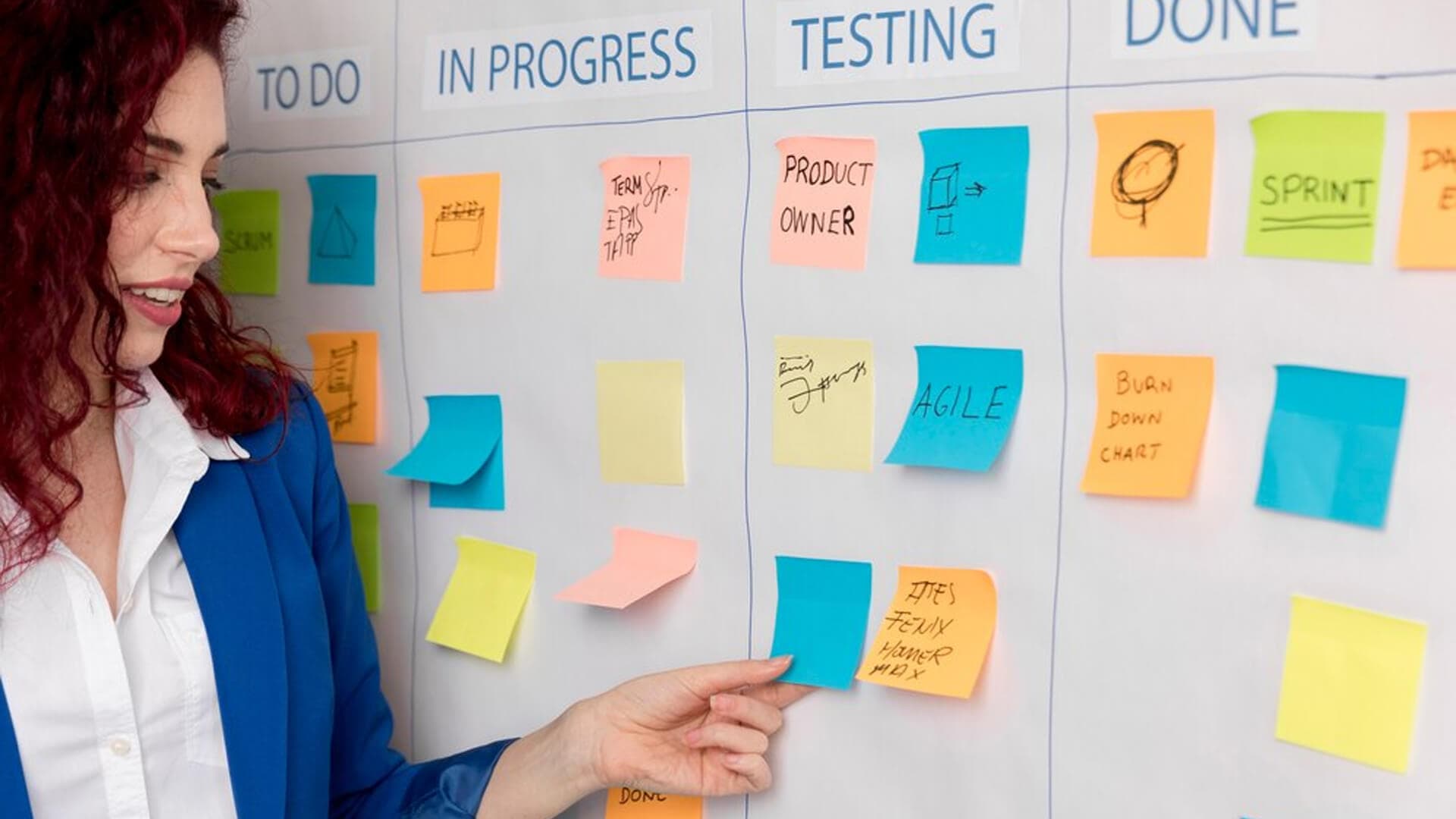
Agile methodology has gained significant popularity in the software development industry as an effective approach to delivering projects in a dynamic and rapidly changing environment. This comprehensive guide explores what Agile methodology is, its core principles, popular frameworks, and how it revolutionizes the way software is developed.
What is Agile Methodology?
At its core, Agile methodology is an iterative and collaborative approach to software development. It emphasizes adaptability, flexibility, and customer satisfaction. Unlike traditional waterfall methods that follow a linear process, Agile breaks down the development process into smaller, more manageable iterations known as sprints.
Key Characteristics
- Iterative development cycles
- Continuous delivery of working software
- Customer collaboration over contract negotiation
- Responding to change over following a plan
- Cross-functional team collaboration
- Regular reflection and improvement
The Agile Manifesto
The Agile Manifesto, created in 2001, defines four core values and twelve principles that guide Agile development.
Four Core Values
- Individuals and interactions over processes and tools
- Working software over comprehensive documentation
- Customer collaboration over contract negotiation
- Responding to change over following a plan
Customer Satisfaction
- Highest priority is satisfying the customer through early and continuous delivery of valuable software
Welcome Change
- Welcome changing requirements, even late in development
- Agile processes harness change for competitive advantage
Frequent Delivery
- Deliver working software frequently, from a couple of weeks to a couple of months
- Prefer shorter timescales
Business and Developer Collaboration
- Business people and developers must work together daily throughout the project
Motivated Individuals
- Build projects around motivated individuals
- Give them the environment and support they need
Face-to-Face Communication
- The most efficient method of conveying information is face-to-face conversation
Working Software
- Working software is the primary measure of progress
Sustainable Development
- Agile processes promote sustainable development
- Sponsors, developers, and users should maintain a constant pace indefinitely
Technical Excellence
- Continuous attention to technical excellence and good design enhances agility
Simplicity
- Simplicity—the art of maximizing the amount of work not done—is essential
Self-Organizing Teams
- The best architectures, requirements, and designs emerge from self-organizing teams
Regular Reflection
- At regular intervals, the team reflects on how to become more effective and adjusts accordingly
Scrum
Scrum is the most widely used Agile framework, providing a structured approach to iterative development.
Scrum Roles
- Product Owner: Represents stakeholders, manages product backlog
- Scrum Master: Facilitates the process, removes impediments
- Development Team: Cross-functional team that delivers the work
Scrum Artifacts
- Product Backlog: Prioritized list of features and requirements
- Sprint Backlog: Items selected for the current sprint
- Increment: The sum of all completed product backlog items
Scrum Events
- Sprint Planning: Team selects items for the sprint
- Daily Standup: 15-minute daily synchronization meeting
- Sprint Review: Demonstration of completed work
- Sprint Retrospective: Team reflection and improvement
Sprint Cycle
- Typically 2-4 weeks
- Fixed time-box for development
- Potentially shippable increment at the end
Kanban
Kanban focuses on visualizing work, limiting work in progress, and maximizing flow efficiency.
Kanban Principles
- Visualize the workflow
- Limit work in progress (WIP)
- Manage flow
- Make policies explicit
- Implement feedback loops
- Improve collaboratively
Kanban Board
- Visual representation of work stages
- Cards represent work items
- Columns represent process stages
- WIP limits prevent overload
Key Metrics
- Lead time: Total time from request to delivery
- Cycle time: Time in active development
- Throughput: Items completed per time period
- Work in progress: Items currently being worked on
Lean Software Development
Lean principles adapted from manufacturing to software development.
Lean Principles
- Eliminate waste
- Amplify learning
- Decide as late as possible
- Deliver as fast as possible
- Empower the team
- Build integrity in
- See the whole
Extreme Programming (XP)
XP emphasizes technical practices and engineering excellence.
XP Practices
- Pair programming
- Test-driven development (TDD)
- Continuous integration
- Refactoring
- Simple design
- Collective code ownership
- Coding standards
- Sustainable pace
Sprint Planning
Effective sprint planning sets the foundation for successful iterations.
Planning Activities
- Review and refine backlog items
- Estimate effort using story points
- Determine sprint capacity
- Select items for the sprint
- Break down items into tasks
- Define sprint goal
Estimation Techniques
- Planning poker
- T-shirt sizing
- Fibonacci sequence
- Affinity estimation
Daily Standups
Daily synchronization meetings keep the team aligned.
Three Questions
- What did you do yesterday?
- What will you do today?
- Are there any blockers?
Best Practices
- Keep it to 15 minutes
- Stand up to encourage brevity
- Focus on synchronization, not problem-solving
- Update the board
- Identify blockers for follow-up
Sprint Reviews
Demonstrate completed work to stakeholders.
Review Components
- Demo of completed features
- Stakeholder feedback
- Product backlog updates
- Discussion of next steps
- Celebration of achievements
Retrospectives
Regular reflection drives continuous improvement.
Retrospective Format
- What went well?
- What could be improved?
- What actions will we take?
Retrospective Techniques
- Start, Stop, Continue
- Mad, Sad, Glad
- 4Ls (Liked, Learned, Lacked, Longed for)
- Sailboat retrospective
- Timeline retrospective
Faster Time to Market
Agile enables rapid delivery of working software.
Speed Benefits
- Shorter development cycles
- Frequent releases
- Early feedback incorporation
- Reduced time to value
- Competitive advantage
Improved Quality
Continuous testing and feedback improve product quality.
Quality Improvements
- Early bug detection
- Continuous integration
- Regular code reviews
- Test automation
- Refactoring practices
Better Customer Satisfaction
Customer involvement throughout the process ensures the right product is built.
Customer Benefits
- Regular demonstrations
- Feedback incorporation
- Priority adjustments
- Transparent progress
- Aligned expectations
Increased Flexibility
Agile welcomes and manages change effectively.
Flexibility Advantages
- Respond to market changes
- Adjust priorities easily
- Incorporate new requirements
- Pivot when needed
- Reduce wasted effort
Enhanced Team Collaboration
Cross-functional teams work together effectively.
Collaboration Benefits
- Shared ownership
- Knowledge transfer
- Reduced silos
- Better communication
- Higher morale
Reduced Risk
Iterative development reduces project risk.
Risk Reduction
- Early problem identification
- Regular validation
- Smaller increments
- Continuous feedback
- Course correction opportunities
Getting Started
Successful Agile adoption requires careful planning.
Initial Steps
- Assess organizational readiness
- Select a pilot project
- Train the team
- Choose a framework
- Set up tools and processes
- Start with a sprint
Team Structure
Cross-functional teams are essential for Agile success.
Team Composition
- Developers
- Testers/QA
- Designers
- Business analysts
- Product owner
- Scrum master
Team Size
- Optimal: 5-9 members
- Small enough for effective communication
- Large enough for diverse skills
Tools and Technology
The right tools support Agile practices.
Project Management
- Jira
- Azure DevOps
- Trello
- Asana
- Monday.com
Collaboration
- Slack
- Microsoft Teams
- Zoom
- Miro
- Confluence
Development
- Git/GitHub
- Jenkins
- Docker
- Kubernetes
- CI/CD pipelines
Common Challenges
Understanding and addressing common challenges.
Challenges
- Resistance to change
- Incomplete Agile adoption
- Lack of executive support
- Distributed teams
- Legacy systems
- Documentation requirements
Solutions
- Executive sponsorship
- Comprehensive training
- Gradual transition
- Clear communication
- Tooling for remote work
- Balanced documentation approach
Velocity
Measures the amount of work completed per sprint.
Using Velocity
- Track story points completed
- Calculate average over sprints
- Use for capacity planning
- Avoid cross-team comparisons
Burndown Charts
Visualize remaining work over time.
Chart Types
- Sprint burndown: Work remaining in current sprint
- Release burndown: Work remaining for release
- Ideal line comparison
- Trend analysis
Cumulative Flow Diagram
Shows work in progress across all stages.
Insights
- Bottleneck identification
- Flow efficiency
- Lead time trends
- WIP patterns
Scaling Frameworks
Approaches for large organizations.
SAFe (Scaled Agile Framework)
- Enterprise-level Agile
- Multiple team coordination
- Portfolio management
- Lean-Agile principles
LeSS (Large-Scale Scrum)
- Minimal additional structure
- Single product backlog
- Multiple teams
- Shared sprint
Spotify Model
- Squads, Tribes, Chapters, Guilds
- Autonomous teams
- Alignment through missions
- Cross-functional collaboration
Coordination Practices
Managing multiple Agile teams.
Coordination Methods
- Scrum of Scrums
- Program increment planning
- Shared backlogs
- Dependency management
- Integration testing
Working with Innoworks for Agile Development
At Innoworks Software Solutions, we embrace Agile methodology in all our software development projects, delivering value to clients through iterative development and continuous collaboration.
Development Practices
- Scrum-based delivery
- Two-week sprint cycles
- Daily standups and regular demos
- Continuous integration/deployment
- Test-driven development
Client Collaboration
- Transparent communication
- Regular progress updates
- Stakeholder involvement
- Flexible scope management
- Value-driven prioritization
Agile Transformation
- Agile coaching and training
- Process implementation
- Tool setup and configuration
- Team mentoring
- Change management
Software Development
- Custom application development
- MVP development
- Product engineering
- Mobile app development
- Web application development
Conclusion
Agile methodology has revolutionized the software development industry by emphasizing adaptability, collaboration, and customer satisfaction. By breaking down projects into smaller iterations, embracing change, and fostering open communication, Agile enables teams to deliver high-quality software that meets evolving customer needs.
Whether you're starting your Agile journey or looking to improve your existing practices, understanding the principles, frameworks, and best practices outlined in this guide will help you succeed. Partner with experienced Agile practitioners like Innoworks to implement effective Agile processes and deliver successful software projects.
Ready to embrace Agile methodology for your next project? Contact Innoworks to learn how our Agile development approach can help you deliver better software faster.