In an era where digital capabilities define competitive advantage, off-the-shelf software often falls short of meeting unique business requirements. Custom software development provides organizations with tailored solutions that align perfectly with their workflows, scale with their growth, and deliver measurable ROI. This comprehensive guide explores everything you need to know about working with a custom software development company.
The Limitations of Off-the-Shelf Solutions
Generic software products are designed for the masses, not for your specific business needs.
Common Challenges with Packaged Software
| Challenge | Business Impact |
|---|---|
| Feature bloat | Paying for unused functionality |
| Limited customization | Workarounds and manual processes |
| Integration difficulties | Data silos and inefficiencies |
| Scalability constraints | Growth limitations |
| Vendor dependency | Lock-in and upgrade cycles |
| Security concerns | Generic protection, shared vulnerabilities |
Benefits of Custom Software Development
Custom solutions provide distinct advantages that drive business value.
Custom Software Advantages
- Perfect Fit
- Built around your workflows
- Matches business processes exactly
- No unnecessary features
- Optimized user experience
- Competitive Advantage
- Unique capabilities
- Proprietary features
- Differentiated service delivery
- Market-specific solutions
- Scalability
- Grows with your business
- Flexible architecture
- Performance optimization
- Cost-effective scaling
- Integration
- Connects existing systems
- Eliminates data silos
- Automates workflows
- Single source of truth
- Ownership
- Full control over roadmap
- No licensing fees
- IP ownership
- Vendor independence
When to Choose Custom Development
Custom software makes sense in specific scenarios.
Ideal Use Cases
- Unique business processes that standard software cannot accommodate
- Competitive differentiation requiring proprietary features
- Integration needs connecting multiple existing systems
- Scalability requirements beyond packaged solution limits
- Security compliance demanding specific implementations
- Cost optimization when licensing fees exceed development costs
Technical Expertise
Evaluate the company's technology capabilities.
Core Competencies to Assess
| Area | Key Skills |
|---|---|
| Frontend | React, Angular, Vue.js, TypeScript |
| Backend | Node.js, Python, Java, .NET, Go |
| Mobile | React Native, Flutter, iOS, Android |
| Cloud | AWS, Azure, Google Cloud |
| Database | PostgreSQL, MongoDB, Redis |
| DevOps | Docker, Kubernetes, CI/CD |
| AI/ML | TensorFlow, PyTorch, OpenAI |
Industry Experience
Domain expertise accelerates development and reduces risk.
Industry Expertise Value
- Healthcare
- HIPAA compliance knowledge
- EHR/EMR integration experience
- HL7 FHIR standards
- Clinical workflow understanding
- Financial Services
- PCI-DSS compliance
- Banking regulations
- Payment processing
- Fraud prevention
- Manufacturing
- IoT integration
- Supply chain systems
- Quality management
- ERP connectivity
- Retail/E-commerce
- Inventory management
- Payment gateways
- Customer analytics
- Omnichannel experience
Development Process
A mature development process ensures project success.
Process Elements to Evaluate
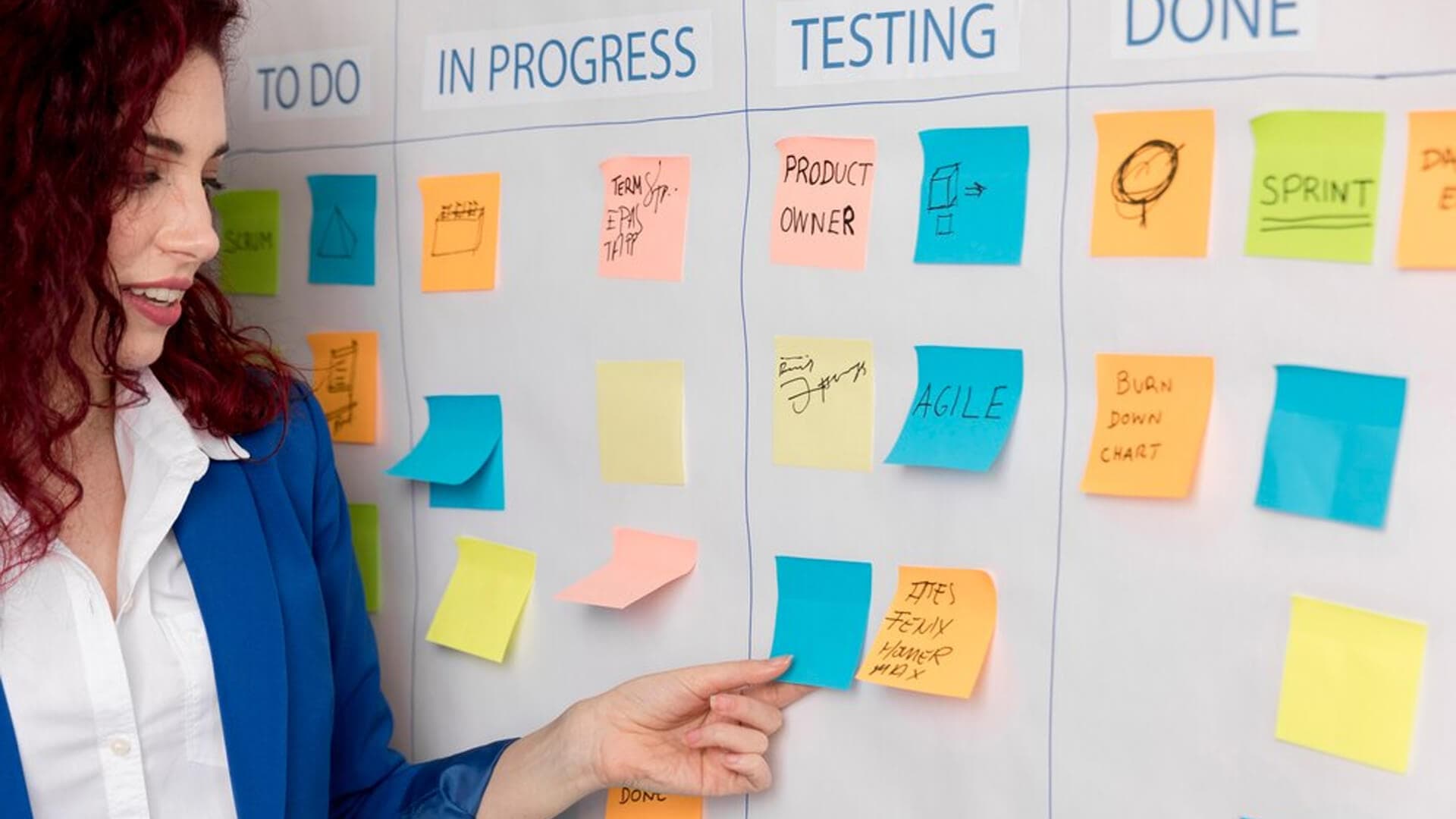
- Agile methodology with iterative delivery
- Clear communication through regular updates
- Quality assurance with comprehensive testing
- Documentation for maintainability
- Change management for scope control
- Post-launch support for ongoing success
Portfolio and References
Evaluate past work and client satisfaction.
Assessment Criteria
- Project complexity and scale
- Industry relevance
- Technology stack alignment
- Client testimonials and references
- Case studies with measurable outcomes
- Long-term client relationships
Phase 1: Discovery and Planning
Understanding requirements before development begins.
Discovery Phase
- Business Analysis
- Stakeholder interviews
- Process mapping
- Pain point identification
- Goal definition
- Technical Assessment
- Current system audit
- Integration requirements
- Infrastructure evaluation
- Technology recommendations
- Requirements Documentation
- Functional requirements
- Non-functional requirements
- User stories
- Acceptance criteria
- Project Planning
- Scope definition
- Timeline estimation
- Resource allocation
- Risk assessment
Deliverables
- Project specification document
- Technical architecture design
- Development roadmap
- Cost estimation
- Risk mitigation plan
Phase 2: Design and Prototyping
Creating the blueprint for development.
Design Activities
| Activity | Output |
|---|---|
| UX Research | User personas, journey maps |
| UI Design | Wireframes, mockups, design system |
| Architecture Design | System diagrams, API specifications |
| Database Design | Data models, schema design |
| Prototype Development | Interactive prototypes |
UX Design Process
- Research
- User interviews
- Competitive analysis
- Analytics review
- Persona development
- Design
- Information architecture
- Wireframing
- Visual design
- Component library
- Validation
- Usability testing
- A/B testing
- Stakeholder review
- Iteration
- Handoff
- Design specifications
- Asset library
- Style guide
- Developer collaboration
Phase 3: Development
Building the software through iterative sprints.
Agile Development Approach
- 2-week sprints with defined deliverables
- Daily standups for team coordination
- Sprint reviews demonstrating progress
- Continuous integration for quality
- Code reviews ensuring standards
Phase 4: Quality Assurance
Comprehensive testing ensures reliability.
Testing Strategy
| Test Type | Purpose | Coverage |
|---|---|---|
| Unit Testing | Individual components | 80%+ code coverage |
| Integration Testing | Component interaction | API contracts |
| E2E Testing | User workflows | Critical paths |
| Performance Testing | Load handling | Scalability |
| Security Testing | Vulnerability assessment | OWASP Top 10 |
| UAT | User acceptance | Business requirements |
Quality Assurance Metrics
- Code Quality
- Test coverage > 80%
- Zero critical issues
- Technical debt ratio < 5%
- Code review approval
- Performance
- Page load < 3 seconds
- API response < 500ms
- 99.9% uptime
- Concurrent user support
- Security
- OWASP compliance
- Penetration test passed
- Data encryption verified
- Access controls tested
- User Experience
- Usability score > 80
- Accessibility compliance
- Error rate < 1%
- Task completion rate > 95%
Phase 5: Deployment and Launch
Moving to production with confidence.
Deployment Process
- Pre-Deployment
- Environment preparation
- Data migration testing
- Rollback plan
- Stakeholder sign-off
- Deployment
- Blue-green deployment
- Database migrations
- Configuration updates
- Health checks
- Post-Deployment
- Smoke testing
- Performance monitoring
- Error tracking
- User feedback collection
- Support
- Hypercare period
- Issue resolution
- User training
- Documentation updates
Phase 6: Maintenance and Evolution
Ongoing support and continuous improvement.
Support Services
- Bug fixes and patches
- Performance optimization
- Security updates
- Feature enhancements
- Scaling support
- Technical support
Pricing Models
Different engagement models suit different needs.
Common Models
| Model | Best For | Pricing Structure |
|---|---|---|
| Fixed Price | Well-defined scope | Project-based |
| Time & Materials | Evolving requirements | Hourly/daily rates |
| Dedicated Team | Long-term projects | Monthly retainer |
| Outcome-Based | Performance-driven | Results-tied |
Cost Factors
Multiple variables influence development costs.
Cost Factors
- Complexity
- Feature count
- Integration requirements
- Performance needs
- Security requirements
- Team Composition
- Senior vs junior developers
- Specialized skills
- Team size
- Location
- Timeline
- Standard vs accelerated
- Phased delivery
- MVP approach
- Support
- Maintenance requirements
- SLA levels
- Training needs
- Documentation scope
ROI Calculation
Measure the value of custom software investment.
ROI Calculation
- Cost Savings
- Eliminated licensing fees
- Reduced manual processes
- Decreased error rates
- Lower maintenance costs
- Revenue Impact
- New capabilities
- Faster time-to-market
- Improved customer experience
- Market differentiation
- Efficiency Gains
- Automation benefits
- Process optimization
- Resource utilization
- Decision-making speed
- Risk Reduction
- Compliance assurance
- Security improvements
- Business continuity
- Vendor independence
Modern Architecture Patterns
Building scalable, maintainable systems.
Architecture Options
| Pattern | Use Case | Benefits |
|---|---|---|
| Microservices | Large, complex systems | Scalability, flexibility |
| Monolithic | Smaller applications | Simplicity, faster initial development |
| Serverless | Event-driven workloads | Cost efficiency, auto-scaling |
| Hybrid | Mixed requirements | Balanced approach |
Full-Stack Technology
Comprehensive technology capabilities.
Modern Tech Stack
- Frontend
- React/Next.js (Web)
- React Native/Flutter (Mobile)
- TypeScript
- Tailwind CSS
- Backend
- Node.js/Express
- Python/FastAPI
- Java/Spring Boot
- GraphQL/REST APIs
- Database
- PostgreSQL (Relational)
- MongoDB (Document)
- Redis (Cache)
- Elasticsearch (Search)
- Cloud
- AWS/Azure/GCP
- Kubernetes
- Docker
- Terraform
- AI/ML
- TensorFlow/PyTorch
- OpenAI/LLMs
- Computer Vision
- NLP
Healthcare
Building HIPAA-compliant healthcare solutions.
Healthcare Solutions
- Electronic Health Records (EHR)
- Telehealth platforms
- Patient engagement apps
- Healthcare integrations (HL7, FHIR)
- Clinical decision support
- Revenue cycle management
Financial Services
Secure, compliant fintech development.
Financial Services Solutions
- Banking applications
- Payment processing
- Lending platforms
- Insurance systems
- Fraud detection
- Regulatory reporting
Manufacturing
Digital transformation for industry.
Manufacturing Solutions
- IoT platforms
- Supply chain management
- Quality management systems
- Predictive maintenance
- Inventory optimization
- Production planning
Retail and E-commerce
Customer-centric commerce solutions.
Retail Solutions
- E-commerce platforms
- Inventory management
- Order management
- Customer analytics
- POS systems
- Loyalty programs
12+ Years of Excellence
Since 2014, Innoworks has delivered 70+ successful software products across industries.
Our Track Record
| Metric | Achievement |
|---|---|
| Years in Business | 12+ |
| Projects Delivered | 70+ |
| Client Satisfaction | 98% |
| Enterprise Clients | 50+ |
| Team Size | 50-100 experts |
Our Approach
We combine technical excellence with business understanding.
Innoworks Difference
- Business-First Mindset
- Understand your goals
- Align technology to outcomes
- Measure success by business impact
- Long-term partnership approach
- Technical Excellence
- Modern technology stack
- Best practices and standards
- Continuous learning culture
- Quality-first development
- Agile Delivery
- Iterative development
- Regular demonstrations
- Flexible adaptation
- Transparent communication
- End-to-End Support
- Strategy and consulting
- Design and development
- Testing and deployment
- Maintenance and evolution
FixItFaster Partnership (2013-Present)
- Started as MVP development
- Evolved into full platform transformation
- 10+ year ongoing partnership
- Continuous innovation and growth
Development Services
- Custom web application development
- Mobile app development
- Enterprise software development
- SaaS product development
- API development and integration
- Legacy system modernization
Consulting Services
- Technology strategy
- Architecture design
- Digital transformation
- Process optimization
- Technical due diligence
Step 1: Discovery Call
Free consultation to understand your needs and explore how we can help.
Step 2: Requirements Analysis
Detailed analysis of your requirements, goals, and constraints.
Step 3: Proposal and Planning
Comprehensive proposal including scope, timeline, and investment.
Step 4: Development Kickoff
Project initiation with dedicated team assignment and sprint planning.
Step 5: Iterative Delivery
Regular sprint deliveries with demonstrations and feedback cycles.
Step 6: Launch and Support
Production deployment and ongoing maintenance partnership.
Conclusion
Choosing the right custom software development company is a critical decision that impacts your business for years to come. The ideal partner combines technical expertise, industry knowledge, proven processes, and a commitment to your success.
Custom software development, when done right, delivers solutions that perfectly match your business needs, scale with your growth, and provide competitive advantages that off-the-shelf software simply cannot match.
At Innoworks, we've spent over a decade helping businesses transform their operations through custom software solutions. Our combination of technical excellence, industry expertise, and client-focused approach makes us the trusted partner for organizations serious about leveraging technology for business growth.
Ready to build custom software that transforms your business? Contact Innoworks for a free consultation and discover how we can help you achieve your technology goals.