Software engineering is the disciplined application of engineering principles to software development, ensuring systems are reliable, scalable, and maintainable. At Innoworks, we've refined our engineering practices through years of delivering complex projects across industries. This guide explores our approach to software engineering and the principles that drive our success.
2026 update: AI-assisted development is now part of how modern teams work — code generation, review, and testing copilots meaningfully accelerate delivery. At Innoworks we lean into these tools while holding the same engineering bar: humans own architecture, security, and quality, and AI-generated code is reviewed and tested like any other. The principles below are exactly what keep that speed from turning into technical debt.
Our Engineering Philosophy
We believe great software emerges from the intersection of technical excellence, disciplined processes, and collaborative culture.
Innoworks Engineering Principles
- Quality First
- Quality is built in, not tested in
- Technical debt is managed proactively
- Code reviews are mandatory
- Automated testing is standard
- Continuous Improvement
- Learn from every project
- Embrace new technologies thoughtfully
- Retrospectives drive change
- Knowledge sharing is cultural
- Pragmatic Engineering
- Right-sized solutions
- Avoid over-engineering
- Balance perfection with delivery
- Technical decisions serve business goals
- Collaborative Development
- Cross-functional teams
- Open communication
- Shared ownership
- Client partnership
- Sustainable Pace
- Avoid burnout
- Maintain code quality
- Enable long-term productivity
- Work-life balance
Development Methodology
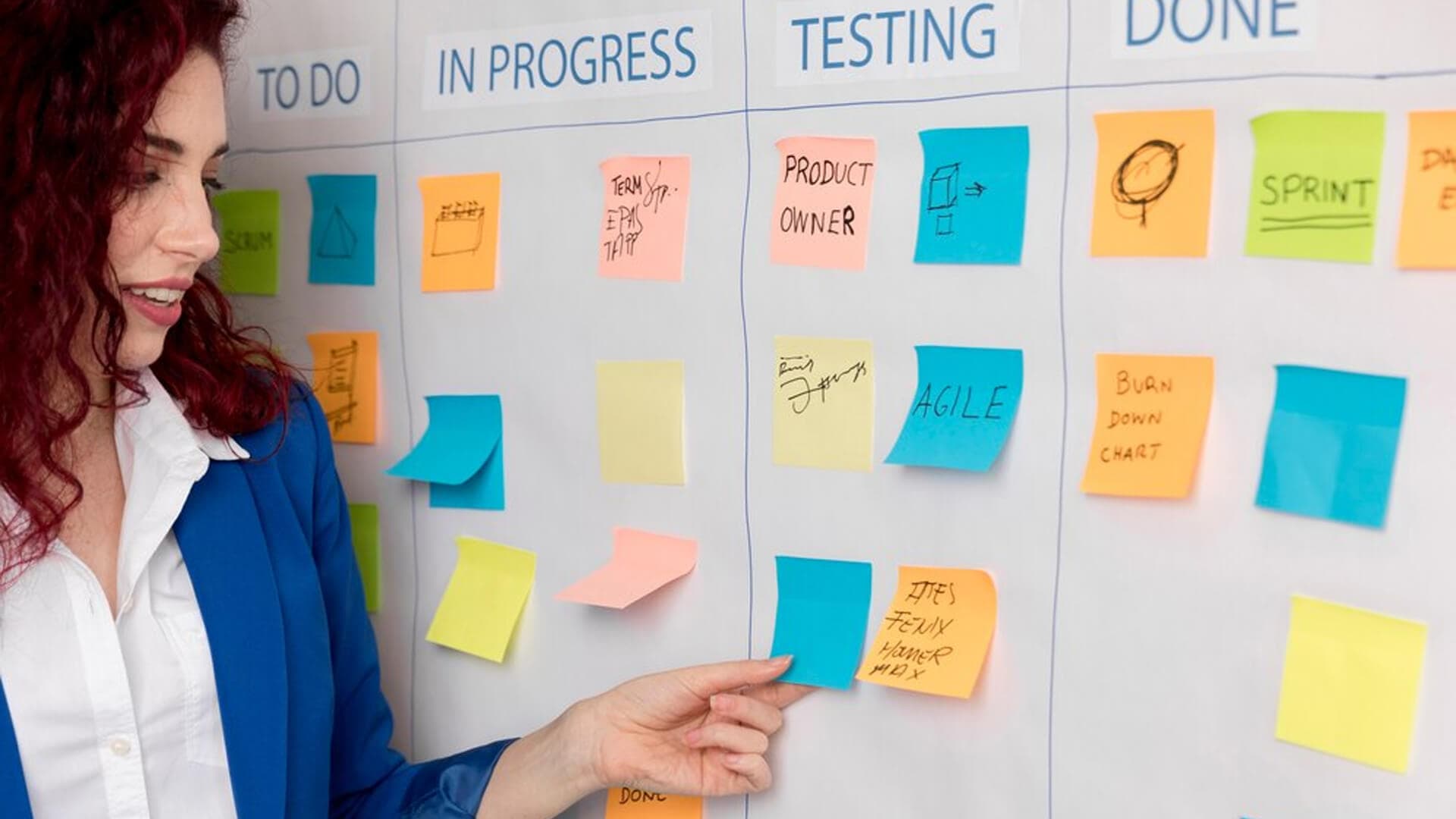
Our methodology balances structure with flexibility.
Innoworks Agile Framework
- Project Initiation
- Requirement gathering
- Technical discovery
- Architecture planning
- Team formation
- Sprint Execution (2-week cycles)
- Sprint Planning
- Backlog refinement
- Story point estimation
- Sprint goal setting
- Task breakdown
- Daily Development
- Stand-ups (15 min)
- Pair programming
- Code reviews
- Continuous integration
- Sprint Review
- Demo to stakeholders
- Feedback collection
- Acceptance criteria validation
- Retrospective
- What went well
- What to improve
- Action items
- Sprint Planning
- Continuous Delivery
- Automated testing
- Staged deployments
- Feature flags
- Monitoring
- Project Closure
- Documentation
- Knowledge transfer
- Maintenance handoff
- Lessons learned
Ceremony Schedule
| Ceremony | Frequency | Duration | Participants |
|---|---|---|---|
| Stand-up | Daily | 15 min | Dev team |
| Refinement | Weekly | 1-2 hrs | Team + PO |
| Sprint Planning | Bi-weekly | 2-4 hrs | Full team |
| Sprint Review | Bi-weekly | 1-2 hrs | Team + Stakeholders |
| Retrospective | Bi-weekly | 1-1.5 hrs | Dev team |
| Architecture Review | Monthly | 2 hrs | Tech leads |
Technical Standards
Consistent standards ensure quality across all projects.
Our TypeScript Code Quality Standards
- Strong Typing -- All data structures use explicit type definitions with no implicit "any" types. Models such as user profiles define clear fields (identifier, email, name, creation date) and nested types (preferences with theme, notification, and language settings) using union types and strict interfaces
- Clear Function Signatures with Documentation -- Every function includes comprehensive documentation covering its purpose, parameters, return types, and potential error conditions. Functions use explicit return types and default parameter values for clarity
- Cache-First Data Access -- Data retrieval follows a cache-first strategy: check the cache before querying the database, and populate the cache after a successful database fetch with a configurable time-to-live (TTL) for optimal performance
- Custom Error Classes -- Domain-specific error types extend the base error class, providing descriptive error names and messages that include contextual information (such as the identifier that was not found) for easier debugging and error handling
- Consistent Naming Conventions -- The codebase follows strict naming rules:
- camelCase for variables and functions
- PascalCase for classes, interfaces, and type definitions
- UPPER_SNAKE_CASE for constants and configuration values
Code Review Checklist
| Category | Checks |
|---|---|
| Correctness | Logic errors, edge cases, error handling |
| Security | Input validation, authentication, data exposure |
| Performance | N+1 queries, unnecessary loops, caching |
| Maintainability | Naming, comments, code duplication |
| Testing | Test coverage, edge cases, mocking |
| Standards | Style guide, patterns, conventions |
Testing Strategy
Comprehensive testing is non-negotiable in our process.
Testing Pyramid at Innoworks
- Unit Tests (70%)
- Business logic
- Utility functions
- Data transformations
- Validation rules
- Target: >80% coverage
- Integration Tests (20%)
- API endpoints
- Database operations
- External service integration
- Authentication flows
- Target: Critical paths covered
- E2E Tests (10%)
- Critical user journeys
- Cross-browser testing
- Mobile responsiveness
- Target: Happy paths + key edge cases
- Supporting Tests
- Performance tests
- Security scans
- Accessibility audits
- Visual regression
Testing Tools by Platform
| Platform | Unit | Integration | E2E |
|---|---|---|---|
| React | Jest, Vitest | Testing Library | Playwright |
| Node.js | Jest, Mocha | Supertest | Cypress |
| .NET | xUnit, NUnit | TestServer | Playwright |
| Mobile | Jest, XCTest | Detox | Appium |
Architecture Approach
Our architecture decisions balance current needs with future growth.
Architecture Decision Framework
- Requirements Analysis
- Functional requirements
- Non-functional requirements
- Performance needs
- Scalability projections
- Security requirements
- Compliance constraints
- Constraints
- Timeline
- Budget
- Team skills
- Existing systems
- Option Evaluation
- Technology options
- Architecture patterns
- Trade-off analysis
- Risk assessment
- Decision Documentation
- Architecture Decision Record (ADR)
- Context and problem
- Options considered
- Decision and rationale
- Consequences
- Validation
- Proof of concept
- Performance testing
- Security review
- Team buy-in
Common Architecture Patterns
| Pattern | When We Use It | Considerations |
|---|---|---|
| Monolith | MVP, small team, simple domain | Start here, evolve if needed |
| Microservices | Scale needs, team autonomy | Operational complexity |
| Event-Driven | Real-time, async workflows | Eventual consistency |
| Serverless | Variable load, cost optimization | Cold starts, vendor lock |
| Hybrid | Legacy modernization | Transition complexity |
DevOps Practices
Automation and reliability are central to our delivery.
Standard CI/CD Pipeline
- Source Control
- Feature branches
- Pull request workflow
- Protected main branch
- Continuous Integration
- Trigger: PR creation/update
- Build Stage
- Dependency installation
- Compilation
- Asset building
- Test Stage
- Unit tests
- Integration tests
- Linting
- Type checking
- Security Stage
- SAST scanning
- Dependency audit
- Secrets detection
- Quality Gate
- Coverage threshold
- No critical vulnerabilities
- All tests pass
- Continuous Deployment
- Staging deployment (automatic)
- Smoke tests
- Production deployment (manual approval)
- Post-deployment validation
- Monitoring
- Performance metrics
- Error tracking
- Log aggregation
- Alerting
Team Structure
Our teams are organized for effectiveness and accountability.
Typical Project Team
- Client-Facing
- Project Manager / Delivery Lead
- Business Analyst (if needed)
- Technical Leadership
- Tech Lead / Architect
- Senior Developers (1-2)
- Development Team
- Full-Stack Developers (2-4)
- Frontend Specialists (as needed)
- Backend Specialists (as needed)
- Quality Assurance
- QA Engineer
- Automation Engineer (larger projects)
- Supporting Roles
- DevOps Engineer (shared/dedicated)
- UX Designer (phases)
- Database Administrator (as needed)
Communication Channels
| Channel | Purpose | Frequency |
|---|---|---|
| Slack/Teams | Daily communication | Real-time |
| Video Calls | Ceremonies, discussions | As scheduled |
| Formal communication | As needed | |
| Project Wiki | Documentation | Updated continuously |
| Demos | Progress showcases | Bi-weekly |
Knowledge Management
Continuous learning drives our competitive advantage.
Engineering Development Program
- Technical Training
- Technology workshops
- Architecture sessions
- Code katas
- Conference attendance
- Knowledge Sharing
- Brown bag sessions
- Tech talks
- Internal blogs
- Pair programming
- Career Growth
- Skill matrices
- Career ladders
- Mentorship programs
- Certification support
- Innovation
- Hackathons
- R&D time
- POC projects
- Open source contribution
Client Partnership
We view client relationships as true partnerships.
Collaboration Model
| Practice | Description |
|---|---|
| Transparency | Regular status updates, open access to tools |
| Inclusion | Clients participate in ceremonies |
| Responsiveness | Quick turnaround on questions |
| Proactivity | Identify issues and opportunities early |
| Knowledge Transfer | Enable client independence |
Working with Innoworks
At Innoworks, our engineering excellence drives client success:
Our Services
| Service | Description |
|---|---|
| Custom Development | Tailored software solutions |
| Product Development | End-to-end product engineering |
| Team Augmentation | Skilled engineers for your team |
| Technical Consulting | Architecture and strategy |
| Maintenance | Ongoing support and enhancement |
| Modernization | Legacy system transformation |
Why Choose Innoworks
- Engineering Excellence: Proven practices and quality standards
- Full-Stack Capability: Frontend, backend, mobile, cloud
- Domain Expertise: Experience across industries
- Agile Delivery: Iterative, transparent development
- Partnership Approach: Long-term client success focus
- Scalable Teams: Grow with your needs
Conclusion
Software engineering at Innoworks represents our commitment to building software that stands the test of time. Our disciplined approach to development, combined with continuous improvement and client partnership, ensures that every project delivers value and quality.
Whether you're building a new product, modernizing existing systems, or extending your development capacity, our engineering team brings the expertise, processes, and culture needed for success. Contact us to discuss how our software engineering capabilities can accelerate your technology initiatives.
Related Resources
- Custom Software Development Company: Build Solutions That Drive Business Growth - Enterprise software development services
- How to Choose a Software Development Company - Complete evaluation guide for selecting partners